
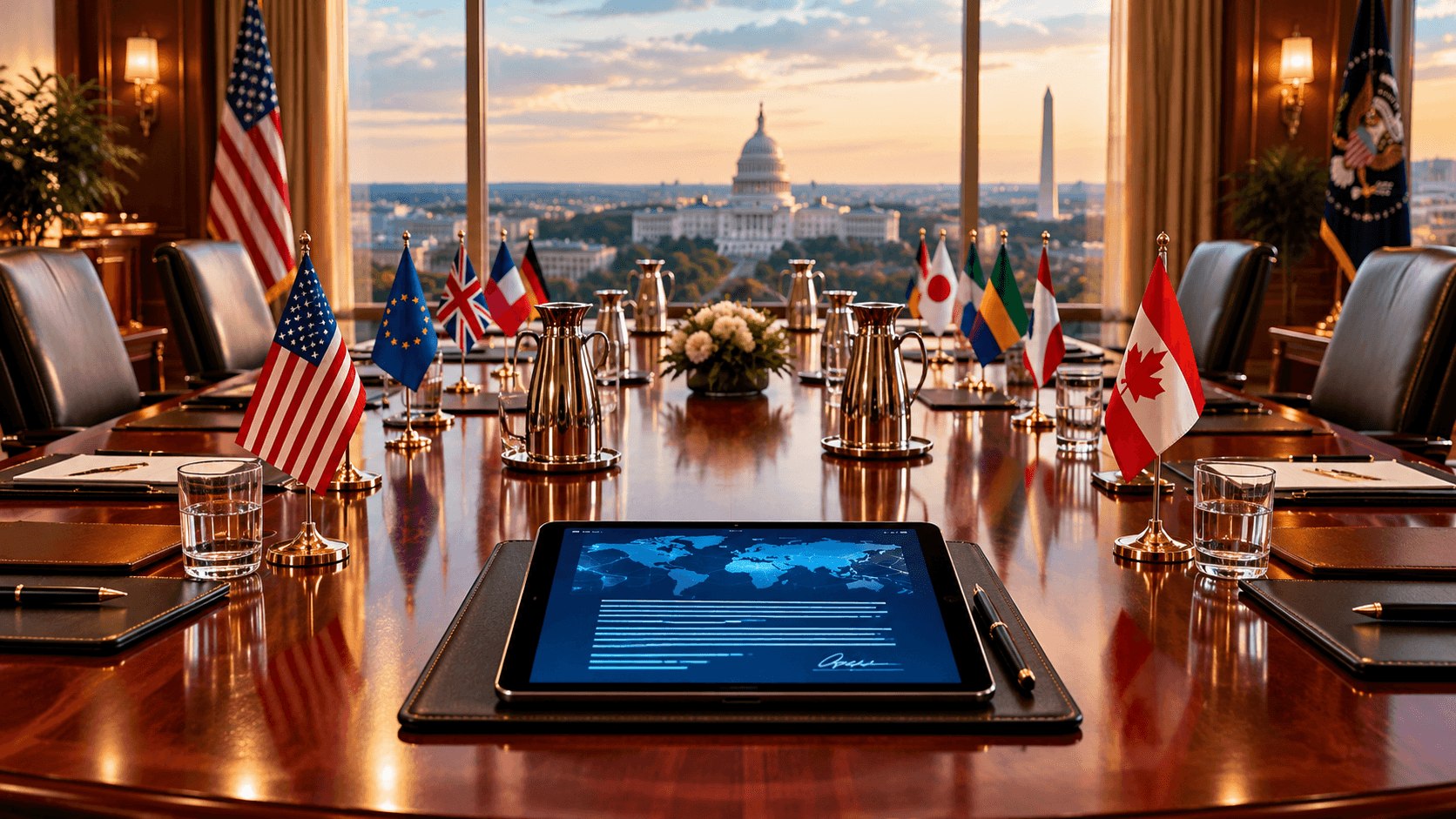
Government regulators from two of the world’s biggest nations met today to discuss digital money. In Washington D.C., the United States Securities and Exchange Commission, or SEC, hosted the Financial Services Agency of Japan, known as the FSA. The two powerful agencies held their official Autumn Policy Meeting. They focused on cross-border crypto oversight and stablecoin rules.
To understand why this meeting is important, we must look at how digital assets move. Digital coins and stablecoins do not stop at national borders. A person in Tokyo can send digital dollars to someone in New York in just a few seconds. Because crypto moves globally, single nations cannot regulate the market alone. If one country has weak rules, bad actors can move there and cause harm to savers across the world.
During the meeting, senior officials from the SEC and Japan’s FSA shared their experiences with digital coin rules. Japan has been a world leader in crypto regulation for many years. After big exchange failures in the past, Japan passed strict laws. These rules force exchanges to keep customer funds separate from company cash. Japan also built one of the world’s first rulebooks for bank stablecoins.
Meanwhile, the United States is working on new crypto laws. Today marks the final public comment day for the SEC’s proposed Regulation Crypto Assets. American officials wanted to learn how Japan’s strict custody and customer rules worked in real life. Both agencies discussed how to work together on market checks so that global exchanges cannot play regulators against each other. Policy experts say this international teamwork is great news for everyday crypto users. When top regulators work as a team, it creates clearer rules worldwide. Clear rules make it easy for honest firms to serve families in many nations. It also makes it much harder for scammers and bad platforms to hide in hidden blind spots.
For everyday savers, teamwork brings greater peace of mind. As governments build common standards, digital finance becomes safer, cleaner, and more trusted. Strong rules protect your savings whileallowing helpful new technologies to grow across borders. Teamwork builds a trusted global money system for all families.
To see why this dialogue matters for normal families, think about how cross-border scams operate. Fraudulent websites often set up shop in countries with weak oversight. They lure in international savers with false promises of guaranteed profits. When victims try to withdraw their cash, the scam website disappears overnight. By sharing intelligence and coordinating rules, agencies like the SEC and Japan’s FSA can shut down international fraud rings much faster.
Stablecoins were another major topic during the talks. Stablecoins are digital coins designed to stay equal to one United States dollar or one Japanese yen. Millions of people use stablecoins to send remittances to family members overseas. Japan passed landmark stablecoin laws that require issuers to back their tokens with cash held in regulated trust banks. American regulators are looking closely at Japan’s model as Congress considers new stablecoin bills like the GENIUS Act.
Teamwork also helps build bridges between traditional banks and blockchain networks. When regulators agree on common security and custody standards, major global banks feel comfortable offering crypto services to their customers. This leads to cheaper wire transfers, faster international payments, and better interest rates for savers. Everyday users can take comfort in knowing that the world’s top financial watchdogs are working together to make digital money safer, more open, and more reliable for everyone.
Here are three simple tips for everyday savers watching global crypto news. First, always pick exchanges that are registered with recognized government agencies. Second, never send funds to unverified offshore platforms that promise guaranteed returns. Third, remember that clear rules protect your wealth and make the digital economy safer for all of us.