
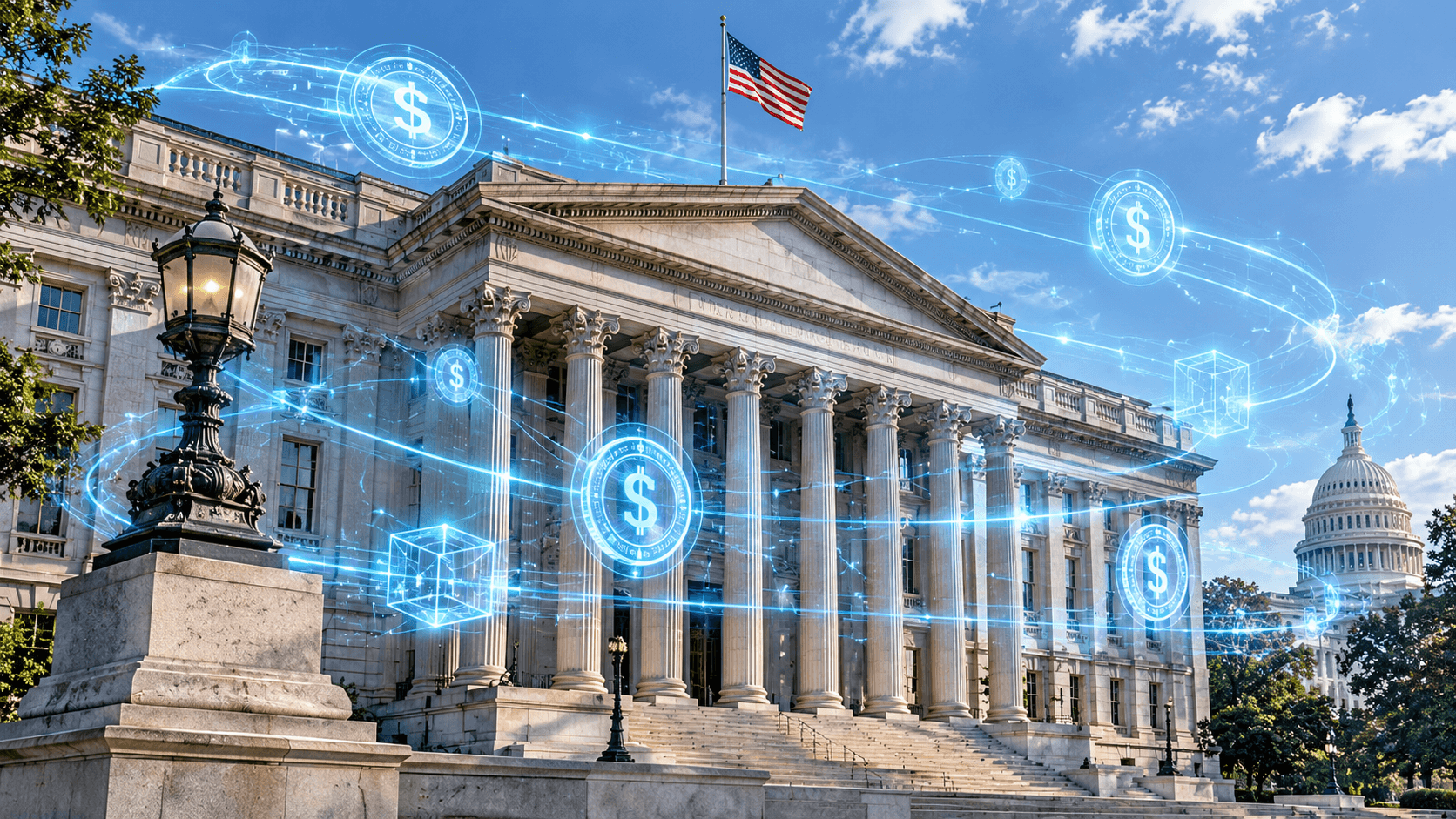
The United States Department of the Treasury has proposed a landmark rule to govern the nation’s digital dollar economy. Today, November 2, 2026, the Treasury released comprehensive regulations implementing Section 3 of the GENIUS Act. The GENIUS Act is the federal law passed by Congress to establish clear legal rules for payment stablecoins. This new proposed rule defines who is legally allowed to issue, market, and sell digital dollars across the United States.
To understand why this proposal is a major milestone, we must look at how stablecoins have grown. Stablecoins are digital tokens designed to maintain a fixed value of one U.S. dollar. In recent years, stablecoins have become essential tools for cross-border remittances, business trade, and crypto trading. However, regulatory uncertainty previously made many traditional financial institutions hesitate to adopt them. The Treasury’s new rule removes that doubt by establishing a formal federal licensing and compliance pathway.
Under the proposed framework, only authorized entities known as Permitted Payment Stablecoin Issuers can create digital dollars in the United States. The rule sets strict reserve asset requirements to ensure that every issued stablecoin is backed one-to-one by cash and short-term government bonds. Issuers must maintain liquid reserves at all times to guarantee that customers can redeem their digital tokens for physical dollars within two business days.
The Treasury rule also places significant responsibilities on digital asset service providers like crypto exchanges and custodians. Starting in 2027 and expanding in 2028, these platforms will act as regulatory gatekeepers. Exchanges are prohibited from listing or selling stablecoins from unapproved issuers to American customers. To prevent bad actors from evading oversight, knowing participation in unlawful stablecoin issuance carries severe criminal penalties of up to one million dollars per violation and up to five years in federal prison.
Importantly, the proposed rule creates a clear pathway for qualifying foreign stablecoin issuers to access the American market. Foreign companies regulated under comparable overseas standards can register with the Office of the Comptroller of the Currency. This reciprocal framework prevents global liquidity from fragmenting and allows trusted international payment networks to operate seamlessly within the United States.
Furthermore, the Treasury proposal introduces location-based safe harbors for digital asset transfers. Transfers between personal hardware wallets and transactions conducted outside traditional commercial intermediaries remain protected under statutory exemptions. This balance ensures that law enforcement can deter financial crime while preserving individual privacy and technological self-custody rights.
Clear reserve auditing standards will also require stablecoin issuers to publish certified monthly attestation reports. Independent accounting firms must verify that every circulating digital dollar is matched by safe liquid assets held in segregated accounts. This transparency protects consumers from unbacked tokens and ensures that financial contagion cannot destabilize the broader payments system.
This major regulatory development offers three simple lessons for everyday crypto watchers. First, federal oversight provides everyday savers with strong legal guarantees that their stablecoins are fully backed by safe cash reserves. Second, licensed crypto exchanges must follow strict compliance rules that protect consumers from unvetted offshore tokens. Third, clear legal standards encourage traditional banks and major corporations to integrate digital dollar payments into everyday commerce.
The Treasury’s proposed rule marks a turning point in the maturation of digital currency. By establishing transparent capital standards and firm consumer protections, federal regulators are creating a secure financial environment where honest blockchain innovation can thrive. Everyday consumers can feel confident that digital dollars are becoming a trusted, reliable, and permanent pillar of modern global finance.
Looking forward, public comments on the proposed rule will remain open for sixty days. Regulatory compliance experts and industry leaders will review the technical parameters before the Treasury Department issues its final binding rule. Clear legal boundaries will establish the United States as a premier global hub for responsible, regulated stablecoin innovation.